
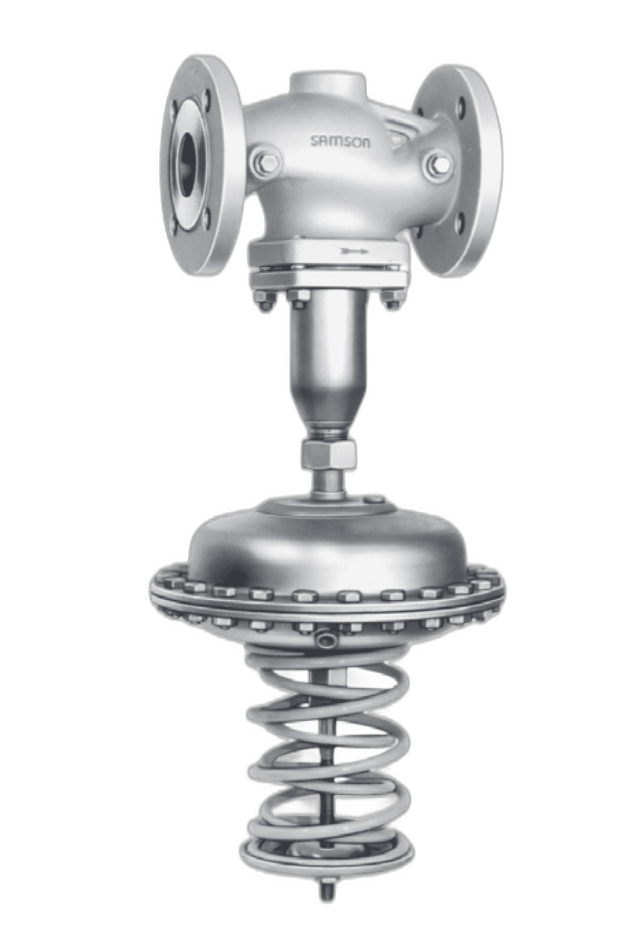
Type 2424 Actuator (closing)
Typ 2424
Materialnumber
1484533
Painting acc. to
Standard
Application range
Standard
Actuator version
Diaphragm actuator
Special version and test
without
Free of paint adhesion INHI
Not required
Actuator Area
160 cm²
4th layer
Not present
Coating system
Standard
Diaphragm material
EPDM
Version according to TV-SK
Without
Documentation dust test
without
Connecting nipple arrangement
Standard
Pull-Off Test
without
Special version varnish
without
Layer thickness test
without
3rd layer
Not present
Documentation Holiday test
without
Act. stem-plug stem interface
Force-locking connection
Total layer thickness
Standard
Test institute
without
Control function
DCDF
Measuring points
without
Max. perm. medium temperature
without
Basic allocation
Standard SOR actuator
Documentation hardning test
without
Documentation salt test
without
Actuator pressure rating
PN 40
Documentation layer thickness
without
Mandrel bending test
without
1st layer
Standard
Hardning test
without
Dust shield
Without
Surface preparation
Standard R12/S
Documentation cross cut test
without
Pressure set point range
0.2 to 1 bar
Size actuator valve
Standard
Salt test
without
Leakage line connection
Without
For valve size
DN 15 to 100/NPS ½ to 4
Cleaning
Without special instructions
9004 Document
Without
Documentattion pull off test
without
Actuator housing material
1.0332 / 1.0335 / 1.4305
MPPA
Standard
Cross-Cut-Test
without
NACE
Without
Inspection certificate paint
Without
2nd layer
Not present
Color
Standard
Dust test
without
DCUM Mandrel bending test
without
Diaphragm rupture indicator
Without
Holiday-Test
without
• Differenzdruckregler Typ 42-24 (Kombination aus Ventil Typ 2422 und Schließantrieb Typ 2424)
• Differenzdruckbegrenzer mit Volumenstrombegrenzung Typ 42-34 (Kombination aus Ventil Typ 2423 und Schließantrieb Typ 2424)
Der Schließantrieb Typ 2424 ist mit einer Überlastsicherung ausgerüstet. Sie verhindert bei außergewöhnlichen Betriebsverhältnissen, z. B. Unterdruck am Wärmetauscher, einen Differenzdruckanstieg, indem ein interner Überströmventil öffnet. Dadurch werden die Anlagen und der Regler vor unzulässig hohen Differenzdrücken geschützt.
Login